
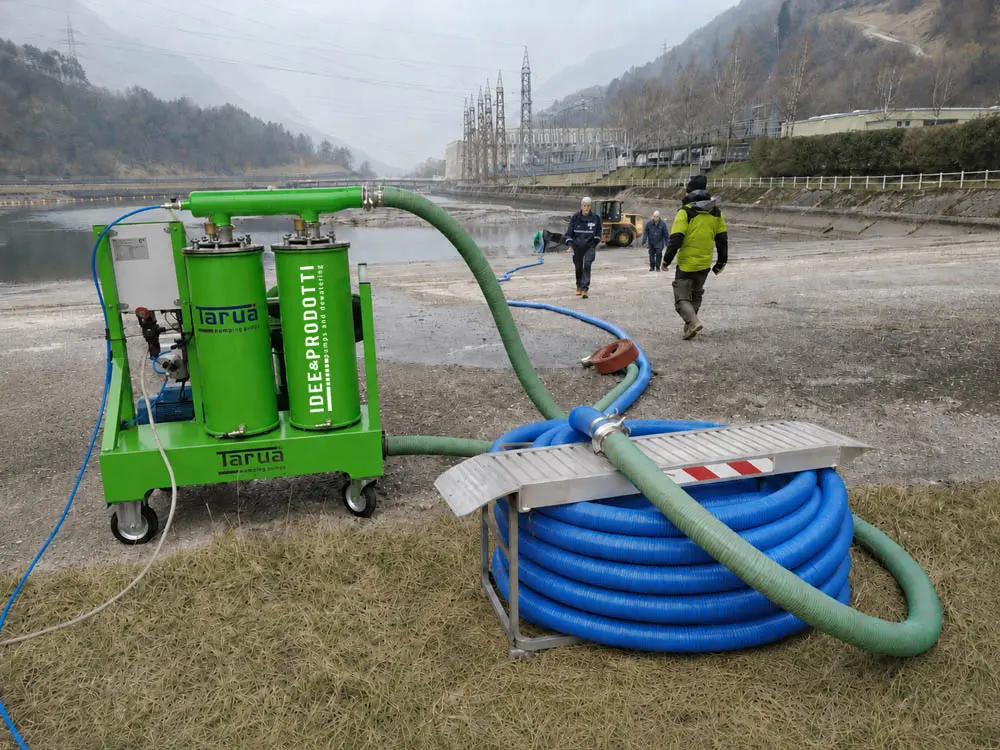
Handling sludge is one of the most demanding challenges in fluid management. Unlike standard liquids, sludge combines viscosity, abrasive particles, fibrous materials and variable consistency, creating conditions that can quickly compromise conventional pumping equipment.
In industrial facilities, wastewater treatment plants and environmental remediation projects, inefficient sludge handling often leads to clogging, excessive wear, unplanned downtime, and rising maintenance costs. Selecting the right solution is therefore essential not only for operational continuity, but also for long-term efficiency and reliability.
This is where advanced sludge pumps and modern sludge handling systems play a critical role.
What are sludge pumps?
Sludge pumps are specifically designed to transfer dense fluids containing solids, abrasive materials, or semi-solid components that standard pumping technologies cannot manage efficiently.
Unlike conventional systems developed for relatively clean liquids, sludge handling equipment must operate reliably even when dealing with:
- high solid concentrations
- viscous materials
- abrasive particles
- fibrous organic matter
- irregular flow conditions
These systems are commonly used in wastewater treatment, industrial processing, environmental remediation and sludge removal operations involving tanks, lagoons, digesters and filtration systems.
Slugde vs slurry: understanding the difference
Although the terms are often used interchangeably, sludge and slurry present different handling challenges.
Slurry generally consists of suspended solids mixed with liquid and usually maintains relatively predictable flow characteristics. Sludge, on the other hand, is typically denser, more viscous and less homogeneous. It may contain organic residues, fibrous materials, hydrocarbons, sand or settled solids that significantly affect pumping performance.
Understanding this distinction is crucial when selecting pumping systems for demanding applications, since many technologies designed for slurry transfer are not suitable for true sludge handling.
The main challenges of sludge handling
One of the primary difficulties in sludge management is viscosity. In many applications, sludge behaves more like a semi-solid mass than a fluid, making suction and transfer particularly challenging.
Abrasive particles such as sand, grit and mineral residues can rapidly wear internal components, especially in systems not designed for heavy-duty operation. In addition, fibrous materials frequently cause clogging and mechanical stress, reducing efficiency and increasing maintenance requirements.
Another critical factor is variability. Sludge characteristics can change significantly depending on the process, season or operating conditions. A system that performs adequately in one scenario may quickly become ineffective in another.
For this reason, sludge handling solutions must combine reliability, flexibility and resistance to wear in order to ensure stable long-term operation.
Technologies used for sludge handling
Several technologies are commonly used for sludge transfer and removal, each with specific advantages and limitations.
Centrifugal pumps
Centrifugal systems are widely used because of their simplicity and high flow rates. However, they are generally more effective with low-viscosity fluids and may struggle when dealing with dense or solid-rich sludge.
Progressive cavity pumps
These systems are often selected for viscous materials due to their stable flow characteristics. Nevertheless, abrasive particles can accelerate wear and increase maintenance requirements.
Diaphragm pumps
Diaphragm technologies can handle solids and irregular materials relatively well, although they are typically less suitable for high-capacity continuous operations.
Vacuum-based systems
Vacuum systems are commonly used for extraction and sludge removal applications. While effective in many situations, they can become complex and maintenance-intensive, especially in harsh operating environments.
What is a sludge sucker pump?
A sludge sucker pump is designed to remove dense sludge through powerful suction rather than relying exclusively on pressure-based transfer.
This approach allows the system to manage settled or highly viscous materials more effectively, particularly in environments where traditional equipment may lose efficiency or experience frequent clogging.
Compared to conventional technologies, suction-based systems can offer several operational advantages:
- improved handling of dense sludge
- reduced blockage risk
- more efficient removal of settled solids
- greater reliability in difficult operating conditions
Because of these characteristics, sludge sucker pump systems are increasingly used in applications requiring robust and continuous sludge removal performance.
Why conventional systems often fail
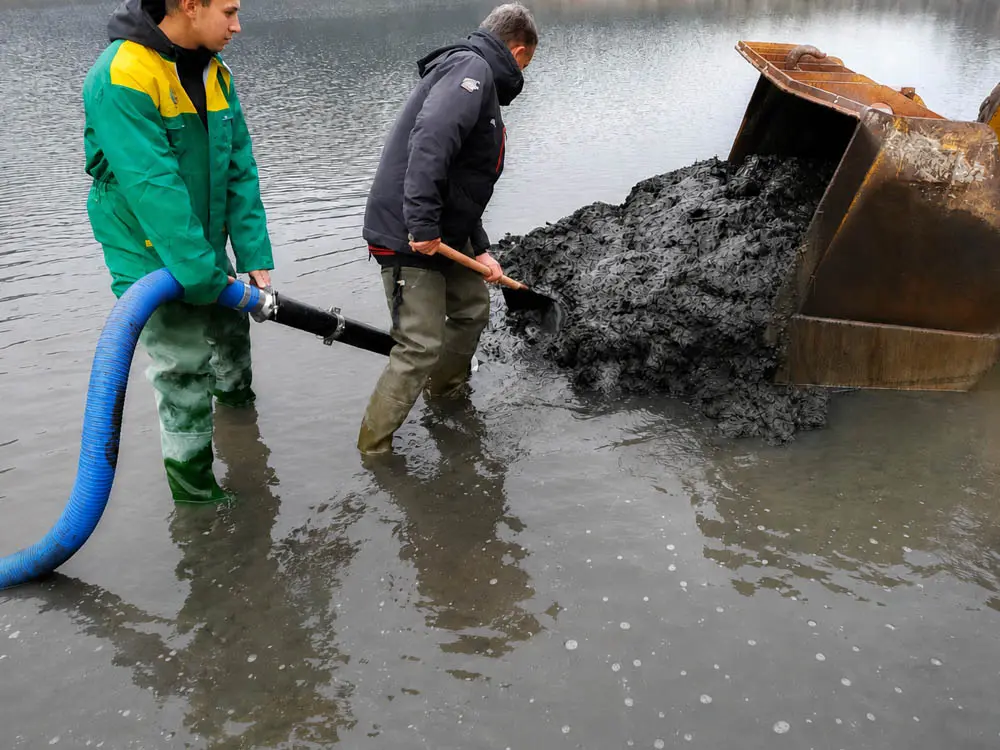
Traditional pumping technologies are frequently not designed for the complexity of real sludge conditions.
When exposed to abrasive solids, high viscosity or fibrous content, many systems experience accelerated wear, reduced efficiency and recurring interruptions. In demanding environments, this often translates into:
- increased downtime
- higher maintenance costs
- reduced operational continuity
- lower overall efficiency
For operators managing industrial or municipal processes, these issues can have a significant impact on productivity and operating costs.
Applications across multiple sectors
Sludge handling requirements vary considerably depending on the sector and operating environment. Modern systems must therefore be adaptable to a wide range of conditions and materials.
Explore the main TARUA ® pump applications across industrial, municipal, environmental and emergency scenarios.
Industrial applications
Industrial sludge often contains oils, hydrocarbons, heavy particles, chemical residues or dense organic materials that require durable and wear-resistant handling solutions.
Efficient technologies for oily sludge pump applications are essential in sectors where high-viscosity and hydrocarbon-rich sludge can compromise conventional equipment.
Similarly, in food processing environments, advanced systems for organic sludge handling help maintain process continuity while reducing cleaning and maintenance requirements.
Municipal applications
Municipal infrastructure depends heavily on reliable sludge management, particularly in wastewater treatment plants, stormwater facilities and filtration systems.
solutions developed for municipal sludge removal must ensure operational continuity minimizing maintenance and downtime.
In water treatment facilities, technologies designed for sand removal pump applications play a crucial role in preventing sediment accumulation and maintaining system efficiency.
Environmental applications
Environmental projects often involve highly variable sludge conditions that require flexible and high-performance removal systems.
Applications such as lagoons, remediation sites and biogas plants demand reliable solutions capable of handling dense and irregular materials.
Effective biogas sludge removal is particulary important for maintaining digester efficiency and preventing performance losses caused by sediment accumulation.
How to choose the right sludge handling solution
Selecting the most suitable solution requires careful evaluation of several operational factors.
Material characteristics such as viscosity, solid concentration, particle size and abrasiveness have a direct impact on system performance and durability. Operational parameters including flow rate, pumping distance and suction depth must also be considered during system selection.
The working environment is equally important. Industrial, municipal and environmental applications often present very different operating conditions, maintenance requirements and accessibility constraints.
Ultimately, the most effective solution is the one capable of combining reliability, wear resistance, ease of maintenance and long-term operational efficiency.
The TARUA ® approach to sludge handling
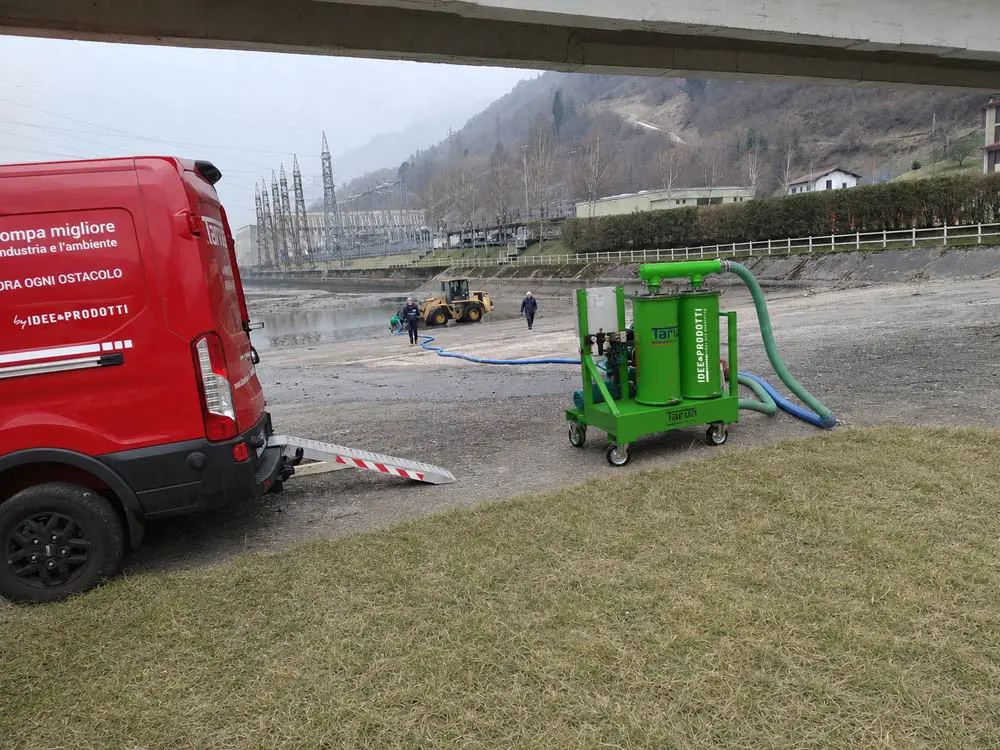
Advanced systems such as TARUA ® solutions are engineered specifically to overcome the limitations commonly associated with traditional sludge handling equipment.
By combining strong suction capability with the ability to manage solids-rich and high-density materials, these systems provide reliable operation even in challenging environments.
Their versatility makes them suitable for a broad range of industrial, municipal and environmental applications where conventional technologies may struggle to maintain efficiency and continuity.
Learn more about TARUA ® sludge handling solutions and how they can support complex industrial, municipal and environmental applications.
Frequently asked questions
What is the best pump for sludge?
The most suitable solution depends on sludge characteristics, including viscosity, solid content and abrasiveness. High-density materials often require advanced suction-based systems specifically designed for sludge handling.
Can sludge handling systems manage solids?
Yes. Systems designed specifically for sludge applications are capable of handling abrasive particles and high solid concentrations with fluids, more effectively than conventional pumps.
What is a sludge sucker pump used for?
A sludge sucker pump is used to remove dense or settled sludge in situations where traditional pumping systems may lose efficiency or become clogged.
Where are sludge handling systems commonly used?
They are widely used in industrial plants, wastewater treatment facilities, environmental remediation projects, digesters, lagoons and filtration systems.
Conclusion
Efficient sludge handling is essential across industrial, municipal and environmental sectors. As sludge becomes more complex and operating conditions more demanding, conventional technologies often struggle to ensure reliability and continuity.
Modern sludge pumps and advanced suction-based systems provide a more effective approach for managing dense, abrasive and solid-rich materials while reducing downtime and maintenance requirements.
Choosing the right solution can significantly improve operational efficiency, extend equipment life and support more reliable long-term performance.
Looking for a more efficient way to handle sludge?
Every application is different. Selecting the right solution can make a significant difference in performance, maintenance and operating costs.
Get in touch with our team to discuss your sludge handling requirements and identify the most suitable solution for your application.
Stay updated on sludge handling technologies
For technical insights, real-world applications and project case studies, follow us on LinkedIn and subscribe to our YouTube channel.
Want to receive insights directly in your inbox?
Stay informed about sludge handling solutions, industry applications and technical updates from IDEE E PRODOTTI.
Subscribe to IDEE E PRODOTTI News
